




Esther Chung
November 12, 2026
Scaling Go-to-Market Workflows with AI: A Step-by-Step Guide for Revenue Teams
A promising lead can lose momentum at every handoff. AI-powered GTM workflows help revenue teams keep opportunities moving from first engagement to expansion.
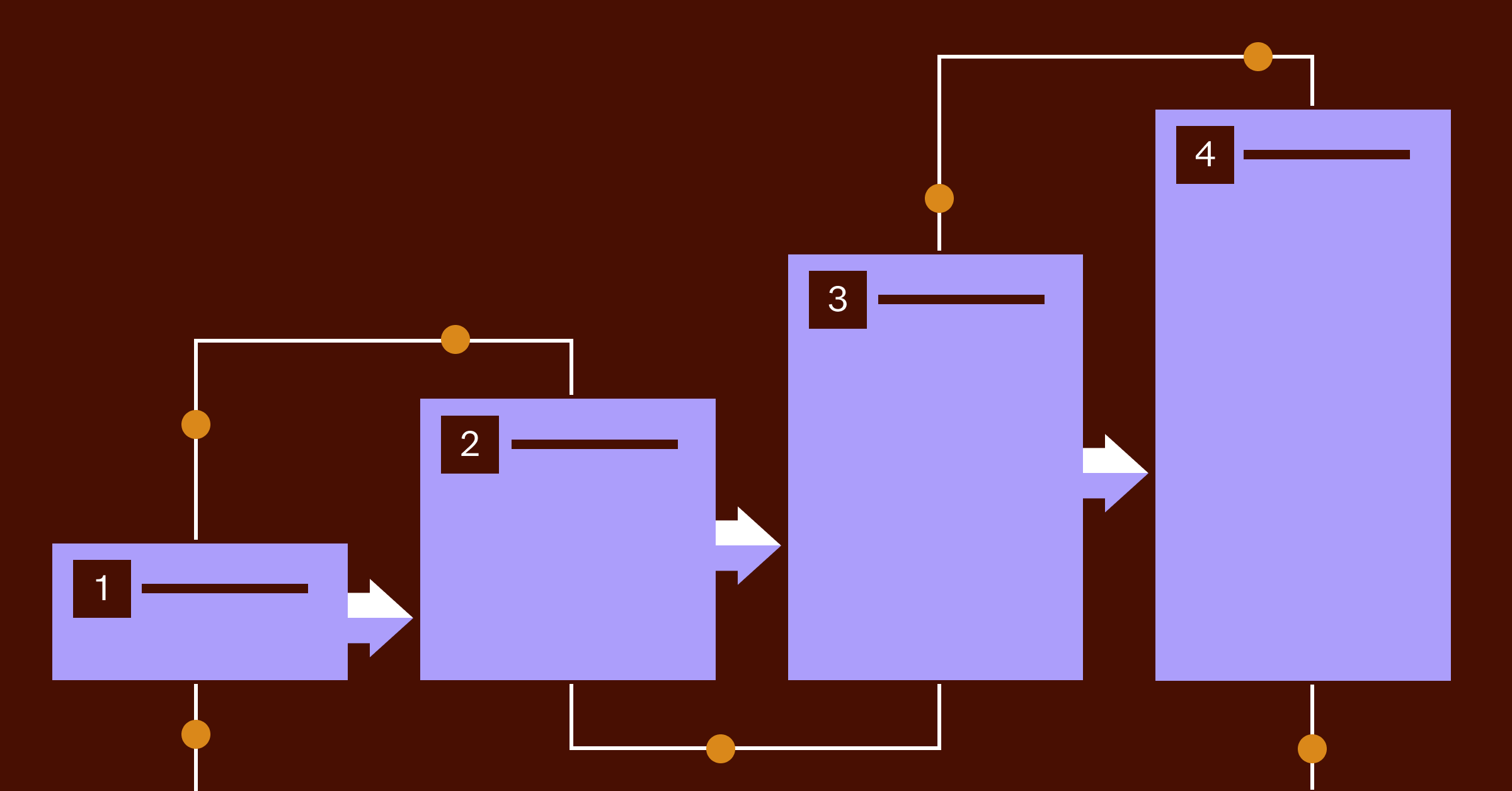
Every deal involves the work of several teams. Marketing writes the campaign. Sales writes the follow-up. Enablement develops the talk track. RevOps determines which accounts see what, and when. The buyer experiences all of it as one conversation.
Scaling GTM with AI requires coordination across those efforts. Jasper's State of AI in Marketing 2026 report, based on a survey of 1,400 marketers, found that scaling high-quality content is now the top AI priority for marketing teams, growing 2.4x year over year.
Revenue teams can turn that content into pipeline by connecting it across functions, so the message a buyer reads in a campaign email carries through the first meeting, the follow-up, and the business case their champion brings to the CFO.
Here's how to build that system, one step at a time.
Key takeaways
- AI helps revenue teams scale GTM workflows by connecting content and messaging across marketing, sales, and RevOps.
- Shared organizational context helps AI agents generate consistent, relevant content for different buyer personas and stages of the sales cycle.
- Connected AI workflows can reduce manual content production and support more personalized engagement across accounts.
- Measuring pipeline progression, conversion rates, and sales adoption helps teams evaluate the impact of AI-powered GTM workflows.
How to scale go-to-market workflows with AI
1. Pick one revenue moment and work backward
Start with your funnel data and identify the stage where the most value is at stake. Some teams may prioritize converting inbound interest into first meetings. Others may focus on moving opportunities through technical evaluation or opening expansion conversations with existing customers.
From there, work backward. Identify every asset a buyer and sales rep need at that stage, who creates each one today, and how long production takes. This inventory becomes the blueprint for your first workflow.
Starting with one clearly defined revenue moment makes it easier to design, test, and refine the process before expanding.
2. Give RevOps a seat at the design table
RevOps manages much of the data that makes personalization possible, including customer segments, account tiers, firmographics, and CRM fields that signal intent. Involving RevOps in workflow design helps ensure AI-generated content reflects how your organization segments buyers and routes accounts.
This kind of ownership is becoming more common. Jasper's research found that 65% of marketing organizations now have a designated role to design or manage AI workflows, while connecting AI across the martech stack ranks among marketers' top emerging responsibilities.
Agree early on which account attributes trigger specific content variations, and establish clear ownership of that logic.
3. Create a shared source of messaging and context
Every revenue motion needs an approved source for positioning, proof points, and persona priorities.
Jasper IQ brings this context together. Brand IQ captures brand voice, style, and visual guidelines. Product IQ keeps product details accurate. The Knowledge Base stores messaging, research, and competitive positioning, while audience profiles define what matters to each persona.
With that foundation, teams can use a single brief to generate content for an entire buying committee. Jasper's Multiple Audiences feature supports up to four audiences in a single generation, allowing a business case to address the priorities of the economic buyer, technical evaluator, and day-to-day user.
Shared context helps ensure every asset reflects the same approved messaging, even as content is adapted for different audiences and channels.
4. Build the workflow across team handoffs
Consider a connected workflow for inbound demand from a target account.
A director at a tier-one account requests a demo. Before the first call, the assigned rep receives a one-page account brief covering the company's priorities, likely use cases, and relevant industry messaging. The rep's confirmation email references content the prospect has already engaged with.
After the call, the rep adds notes and receives a tailored recap, along with follow-up emails for other stakeholders involved in the decision.
Jasper's agents can support different parts of this sequence. The Research Agent helps gather account background, the Follow-up Email Agent drafts persona-specific outreach, and the Battle Cards Agent prepares reps for competitive conversations. When a program spans hundreds of accounts, Jasper Grid enables teams to run workflows at greater volume.
Marketing designs the workflow and maintains the context behind it. Sales uses the resulting materials and shares feedback from buyer conversations. Each asset builds on the same information, creating a more consistent experience throughout the buying process.
5. Deliver content where reps already work
Sales adoption depends partly on how easily reps can access relevant materials during their existing workflows.
The Jasper Slack Agent allows sellers to create on-brand follow-ups and account materials directly in Slack, where deal conversations already happen.
On the marketing side, Jasper's integrations with Asana, monday.com, Jira, Wrike, and Adobe Workfront connect content production with the tasks and workflows teams already use to manage their work.
Making approved content accessible within familiar tools helps reduce friction and encourages consistent use across teams.
6. Measure results in pipeline terms
Each workflow should be measured against the revenue moment it was designed to support.
Connecting AI workflows to measurable results makes ROI easier to demonstrate.
Jasper's research found that 61% of high-maturity marketing organizations can prove AI ROI, and they're more likely to track outcomes such as campaign lift alongside time savings. Among marketers who can prove ROI, 60% report at least a 2x return.
Once the first workflow demonstrates value, teams can expand to another revenue moment. The shared context and processes established during the initial rollout provide a foundation for subsequent workflows.
Who owns what in an AI-powered GTM workflow?
Clear ownership helps maintain content quality and consistency as AI adoption expands. Jasper's research found that 77% of high-maturity marketing organizations have a dedicated role overseeing AI governance.
Within an AI-powered GTM workflow, responsibilities typically break down as follows:
- Product marketing owns positioning and approves the messaging agents draw from.
- Demand generation and ABM design workflows and review campaign assets.
- Sales leadership defines what reps need at each stage and shares feedback on what resonates with buyers.
- RevOps manages data, segmentation rules, and routing logic.
- Legal and compliance establish approval requirements for claims and language, with relevant guidelines stored in Jasper IQ to inform content generation.
Establishing these responsibilities early helps teams maintain oversight as workflows grow in complexity and volume.
Build your first revenue workflow with Jasper
Scaling GTM workflows with AI requires a coordinated approach to content, technology, and team responsibilities. Human expertise remains central to designing effective processes, maintaining quality, and determining where AI can deliver the greatest value.
Jasper supports this approach with marketing-specific AI agents, shared organizational context, and integrations that connect workflows across teams. Jasper's forward-deployed experts work directly with enterprise teams to identify high-value use cases, design workflows around existing systems, and establish the foundation for scaling AI adoption.
Request a demo to learn how Jasper can help your team build and scale AI-powered GTM workflows.
Frequently asked questions
What is a go-to-market workflow?
A go-to-market workflow is a repeatable process spanning marketing, sales, and RevOps that moves buyers from initial engagement toward a purchase. It includes the content, data, and handoffs needed to support each stage of the buyer journey.
Which GTM workflow should a revenue team build first?
Start with the revenue moment that carries the greatest pipeline value for your organization, such as converting inbound interest into first meetings or supporting deals in active evaluation. Prioritize a workflow with measurable outcomes and clearly defined responsibilities.
How do you measure the ROI of AI in go-to-market workflows?
Connect each workflow to the funnel stage it supports and track relevant metrics, including speed to first meeting, stage conversion, sales cycle length, and expansion pipeline. Measuring sales adoption alongside pipeline results can also help teams understand how consistently AI-generated materials are being used.


More of the latest & greatest
Generative AI for Financial Services Marketing: Compliance-First Content Strategies
Generative AI can accelerate financial services marketing, but scaling content across products and markets introduces compliance challenges that require a more deliberate approach.
November 12, 2026
|
Jessica Kennedy

Scaling Enterprise ABM: Using AI to Personalize Hyper-Targeted Content
AI is making hyper-personalized ABM possible at enterprise scale, helping marketers reach more high-value accounts with content tailored to their needs.
November 5, 2026
|
Megan Dubin

How AI Marketing Agents Are Automating Multi-Channel Campaign Execution
Explore how AI marketing agents help enterprise teams automate campaign workflows, coordinate content across channels, and scale execution while maintaining brand consistency.
November 5, 2026
|
Esther Chung