- Log In
- Free Trial
- Get A Demo
Platform
Platform Overview
From advanced language models to context-aware intelligence and intuitive agents, Jasper’s rich product experience is designed to meet marketers where they work—so they can customize AI for how they work.
GEO & AI Optimization
Win the new front door of search
Measure how your brand performs across every major AI answer engine, prioritize the actions that matter, and ship brand-governed content at scale.
Agents

Content Pipelines
Content Pipelines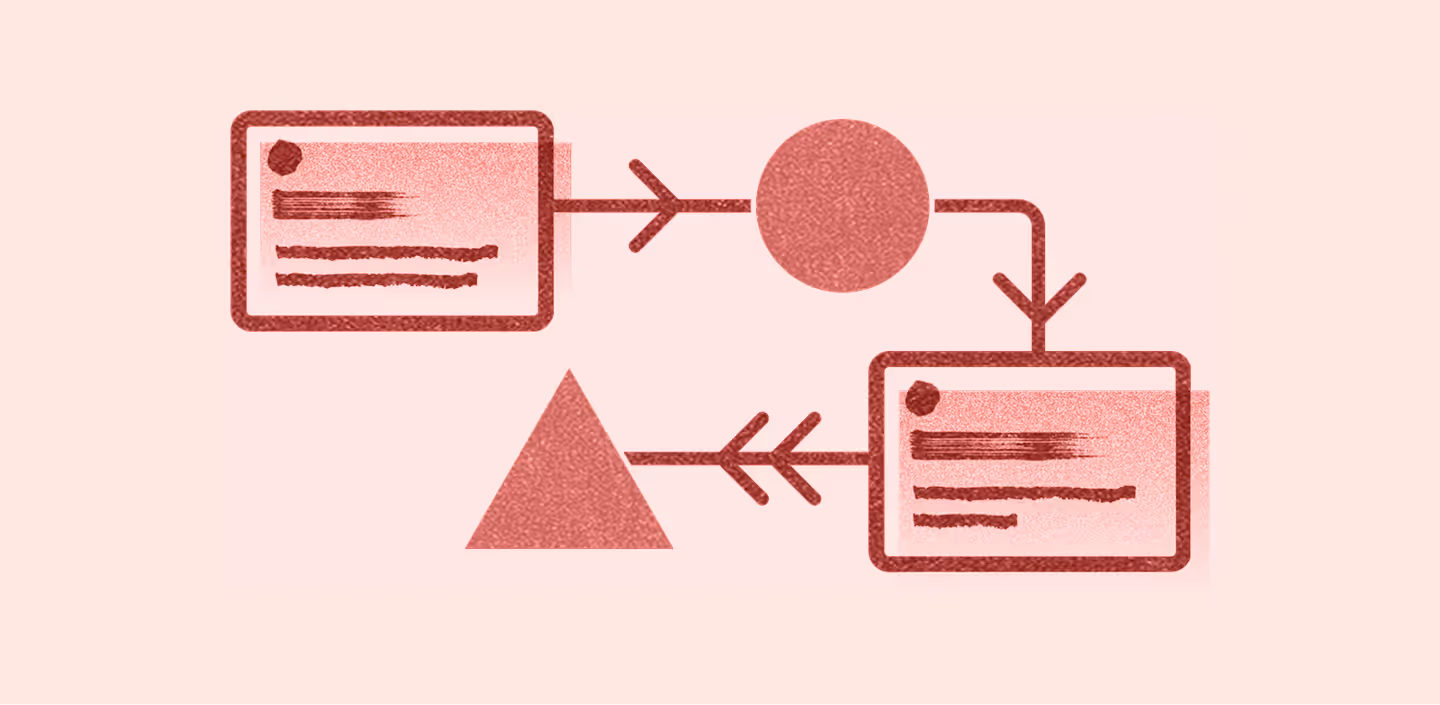
Content Pipelines
A structured workflow system that enables repeatability and scale.
Jasper IQ

Solutions
All Solutions
AI Solutions for every kind of marketer, use case or industry.
Solutions by Use Case
Solutions by Use Case
Scale SEO, personalization, and campaigns and more—driving faster, smarter marketing growth.
GEO & AI Optimization
GEO & AI Optimization
Monitor citation rates, identify content gaps, and generate governed content that AI will actually cite.

Personalization
Personalization
Empower your team to target specific accounts, contacts, leads, and opportunities.
Campaigns
Campaigns
Transform briefs, insights, & channel requirements into on-brand campaign content.
Solutions by Role
Solutions by Role
Product Marketing
Content Marketing
Performance Marketing
Field & Events Marketing
Brand Marketing
PR & Communications
Solutions by Industry
Solutions by Industry
Financial Services
Healthcare & Life Sciences
Technology
Retail & Consumer Goods
Media & Entertainment
Professional Services
Resources
All Resources
Find tips, advice, and practical use cases to advance your AI marketing strategy.
Diagnostics & Tools
GEO Diagnostic
Learn what AI is saying about your brand, where the gaps are, and what governs the brands AI cites instead.
Brand Compliance Diagnostic
Scan your website and public content to learn how consistently you score for brand governance and compliance.
Discover
Discover
Unlock the full potential of Jasper through stories, tools, and expert guidance built for marketers.
Learn
Learn
Level up your skills with guides, tools, and trainings designed to help you get more from Jasper.
Courses
Explore Jasper Workflows
Get Support
Get Support
Everything you need to get the most out of Jasper—fast help, expert guidance, and trusted resources.
Contact & Support
FAQ & Help Articles
Company
Our Company
Get the latest about Jasper in the news, careers information, legal documents and more.
Company Information
Company Information
Get the latest about Jasper in the news, careers information, legal documents and more.
Trust Foundation
Trust Foundation
Learn more about our LLM-optimized infrastructure with built-in security, governance, and compliance.
Pricing
Start a free trial
Get a Demo